
Plants of the Araucaria Forest Edge, 2025, digital Image (Epson scanner), 1200 dpi
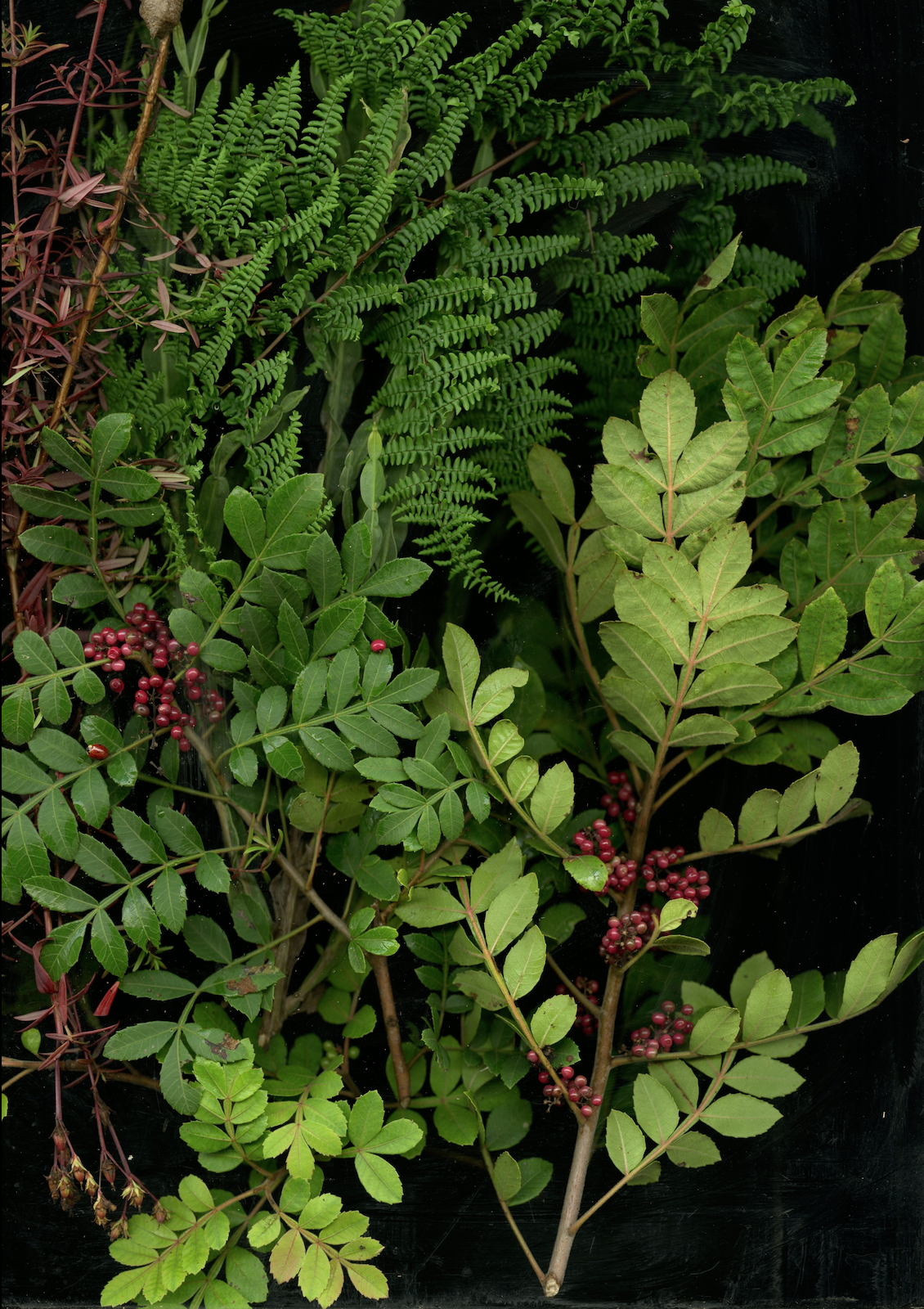
Understory Tree, 2025, digital Image (Epson scanner), 1200 dpi

Blue, 2025, digital image (Epson scanner), 1200 dpi

Micro-Orchids, 2025, digital image (Epson scanner), 1200 dpi

Understory Plants, 2025, digital image (Epson scanner), 1200 dpi

Araucaria Leaves and Seeds, 2025 (Epson scanner), digital image 1200 dpi
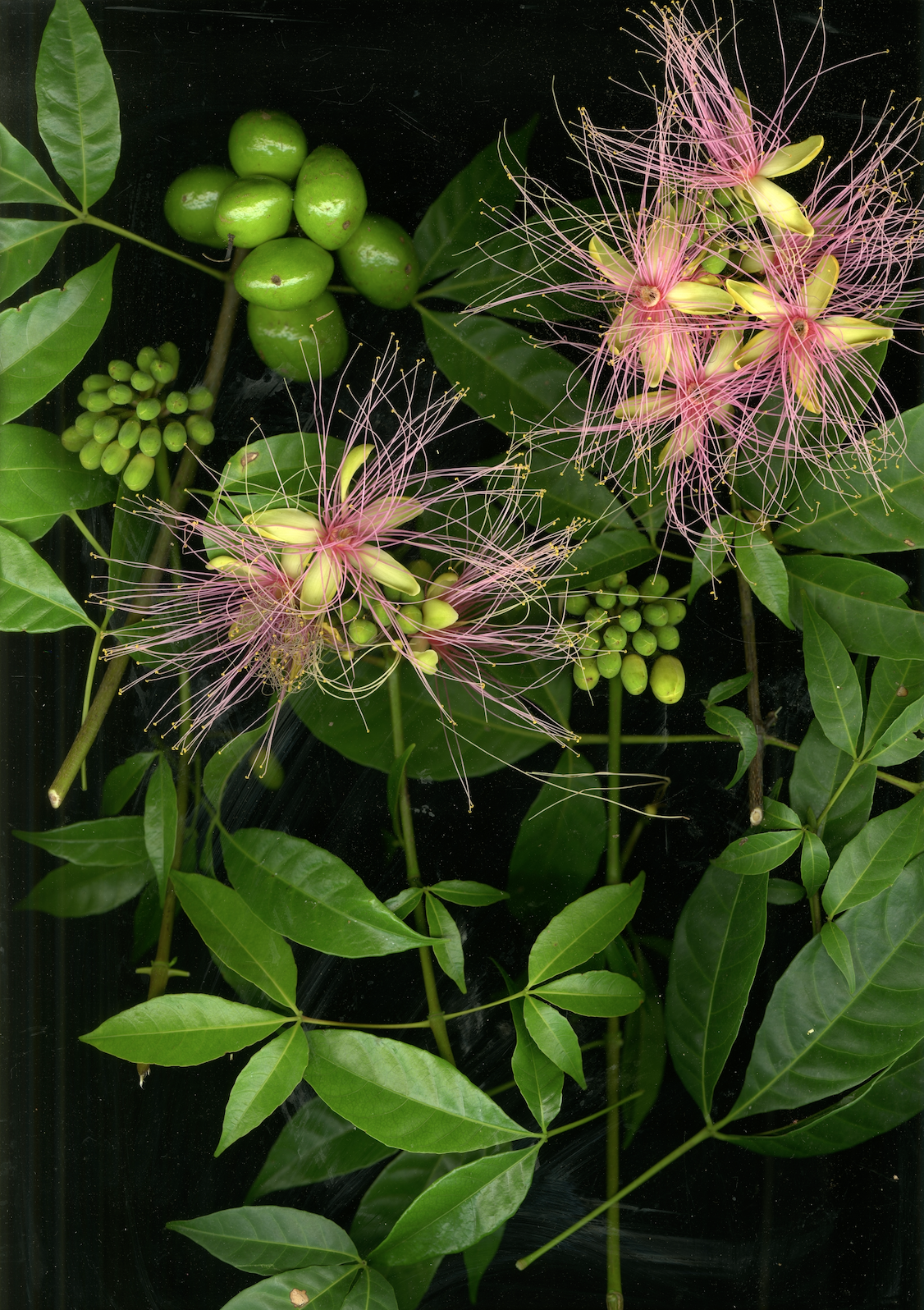
Pink Fringes at Rio de Janeiro Botanical Garden, 2025, digital image (Epson scanner) 1200 dpi

Rio de Janeiro Botanical Garden Flowers, 2025, digital image (Epson scanner) 1200 dpi

Palm Leaf Covers from Rio de Janeiro Botanical Garden, 2025, digital image (Epson scanner) 1200 dpi

Red Heliconia at Rio de Janeiro Botanical Garden, 2025, digital image (Epson scanner) 1200 dpi

Plant Parts From Rio de Janeiro Botanical Garden, 2025, digital image (Epson scanner) 1200 dpi
Making The Scanner Images
The Epson America Co. has termed my image-making use of a scanner “a new application of Epson technology” and published a case study about its use as a tool in my Fulbright Biological and Artistic study project of the Atlantic Forest of Southern Brazil. This is the link: https://news.epson.com/case-studies/xl-scanners-adele-rossetti-botanist
I make my scanner images by arranging plant specimens directly on the glass bed of the scanner. The compositions are constructed face down, looking towards the scanner’s camera ( away from me ) and arranged in depth.
Due to this positioning, there is always an element of intuition and chance to the process, as I am always working blind to some degree. I believe that this element of chance, the uniform focus of the camera movement, the random finding/selection of plant materials and the work parameters dictated by their sizes and shapes, the rate at which they wilt, etc. allow more of the subjects’ “voices” into the images while attenuating my own.
My plant arrangements are meant to reflect the teeming variety of life and incredible species diversity of the Atlantic Forest, through the richness of color and form of its flora.
In Brazil, this forest is called “A Mata Preta” roughly translatable to “The Black Bush” because of the darkness beneath the canopy of the Araucaria trees. It seems to me that the darkness from which the plant specimens emerge in my scanner images relates to their actual environment and refers, beyond them, to the Mata Preta itself.